Vatva, Ahmedabad, Gujarat
- GST NO. : 24AFIPJ8131Q1Z1


Posted by Commercial Solar Dryer on August, 13, 2026
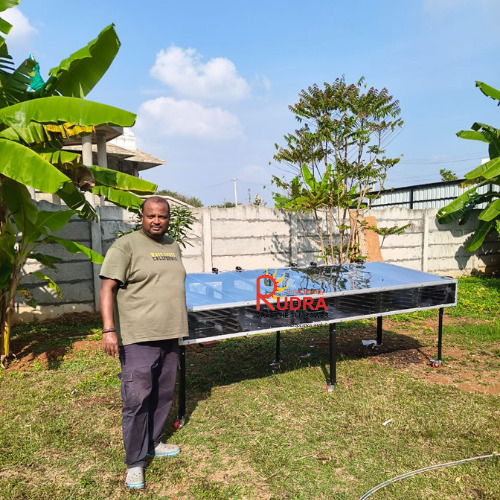
Himachal Pradesh has a horticulture-driven agricultural economy where orchard crops create significant opportunities for post-harvest processing and value addition. The state’s Department of Horticulture maintains district-wise fruit area and production data and specifically supports temperate fruit systems including apple, pear and cherry, while its technical programmes separately cover stone fruits such as plum, peach and apricot.
For orchard growers, Farmer Producer Organisations, cooperatives, SHGs and food-processing enterprises, a solar dryer in Himachal Pradesh can provide an enclosed and organised moisture-reduction stage for suitable fruits, vegetables, herbs and other agricultural produce.
However, mountain agriculture creates a different processing environment from hot plains. Fruit type, altitude, ambient temperature, relative humidity, available solar radiation, preparation, tray loading and airflow can all influence drying performance.
For this reason, selecting a solar dryer for Himachal Pradesh should begin with the commodity and processing requirement rather than only the advertised kilogram capacity.
Apple Processing: A Major Solar Dryer Application in Himachal Pradesh
Apple is one of the most recognisable horticultural crops associated with Himachal Pradesh, and the state horticulture department has dedicated apple programmes, technical guidance and district-level production tracking.
For apple processors, a solar dryer for apple can support moisture reduction from appropriately prepared apple slices or pieces.
Preparation consistency matters.
If one batch contains very thin slices while another contains substantially thicker pieces, the moisture-removal rate can differ even when both batches contain the same weight of fresh apples.
Commercial apple processing should therefore consider:
Fresh apple quantity
Slice or piece thickness
Available tray area
Loading density
Airflow between trays
Temperature suitable for the product
Ambient humidity
Required final moisture condition
Expected number of batches
An apple drying machine should therefore be evaluated as part of the complete processing workflow rather than simply by maximum loading capacity.
Washing, sorting, peeling, cutting, pretreatment where applicable, packaging and storage remain separate stages.
Solar Fruit Dryer for Plum, Apricot and Other Stone Fruits
Himachal Pradesh’s Department of Horticulture specifically recognises plum, apricot and peach within its stone-fruit programmes.
These crops give orchard enterprises additional opportunities beyond apple processing.
A solar fruit dryer may be used for appropriately prepared plum, apricot and other suitable fruits, but each fruit should be evaluated individually.
Apricot pieces may differ from plum in:
Initial moisture
Fruit size
Preparation
Piece thickness
Tray-space requirement
Surface exposure
Desired final product condition
That means there should not be one universal “Himachal fruit drying setting.”
A processor handling apples during one season and apricots during another may be able to use the same suitable solar drying system, but tray loading, temperature, airflow and drying endpoint may need to change from one commodity to another.
Why Tray Area Matters for Orchard Fruit Processing
Buyers often begin with a simple question:
“How many kilograms can the solar dryer handle?”
Batch weight is important, but fruit dehydration also depends on how the prepared product occupies the drying surface.
Apple slices distributed over several trays behave differently from densely loaded whole or thick-cut produce.
This makes usable tray area an important consideration for a commercial solar fruit dehydrator.
When comparing systems, orchard processors should evaluate:
Batch capacity
Number of trays
Usable drying area
Typical product thickness
Loading depth
Air distribution
Expected daily throughput
A larger capacity number does not automatically mean that a system is better suited to a particular fruit-processing operation.
Solar Dehydrator for Hill Produce
The terms solar dryer, solar dehydrator, solar fruit dehydrator, solar food dehydrator and fruit dryer machine are often used by buyers looking for equipment for moisture reduction from agricultural produce.
Whatever terminology is used, the drying process still depends on moving moisture from inside the product into the surrounding air and then carrying that moisture-laden air away.
FAO guidance on solar drying highlights the combination of solar energy and designed airflow as central to the operation of a solar dryer.
This makes air movement especially important when trays contain substantial quantities of prepared fruit.
A chamber becoming hot is not enough by itself.
Effective operation depends on the relationship between:
solar heat + product preparation + tray loading + airflow + humidity + drying endpoint
Solar Dryer for Fruits and Vegetables in Himachal Pradesh
Fruit may be the strongest horticultural identity of Himachal Pradesh, but many growers and rural processing enterprises work with more than one agricultural commodity.
A suitable solar dryer for fruits and vegetables can potentially support separate batches of:
Apple
Apricot
Plum
Pear
Peach
Selected berries
Tomato
Carrot
Leafy vegetables
Peas and suitable vegetables
Herbs
Other compatible horticultural produce
The operating conditions should change according to the commodity.
For example, a high-moisture tomato batch should not automatically receive the same tray loading and temperature conditions as prepared apple slices.
Similarly, lightweight leafy material can occupy a much larger tray volume relative to its weight.
A multi-product system should therefore be flexible, but multi-product capability does not mean one setting for every crop.
Mushroom Processing Creates Another Hill-State Opportunity
Himachal Pradesh also has an established mushroom sector. The state Department of Horticulture reports mushroom compost-manufacturing infrastructure at locations including Solan and Kangra/Kullu regions, alongside private-sector activity.
Where a dried mushroom product is intended, mushroom processing introduces a very different loading requirement from orchard fruit.
Fresh mushrooms have a different structure, density and moisture profile from apple or apricot.
For suitable mushroom dehydration, processors should consider:
Raw-material condition
Product preparation
Slice or whole-product form
Tray distribution
Airflow
Temperature
Ambient humidity
Required final moisture
This gives FPOs and food-processing enterprises the possibility of evaluating one suitable drying system across different seasonal applications, provided each commodity is processed according to its own requirements.
Why Airflow Is Important in Mountain Conditions
Solar drying is not simply exposure to sunlight.
As the product warms, moisture moves toward its surface and enters the drying air.
That moisture-containing air needs to leave the drying zone so the process can continue.
FAO describes solar dryer designs that combine solar radiation with planned air circulation and notes that temperature and airflow need to be controlled appropriately for the material being dried.
For Himachal Pradesh processors, this becomes particularly relevant because local weather can vary with altitude, season and location.
When choosing a dryer, buyers should ask:
How does air enter the chamber?
How does it move across the trays?
How is humid air removed?
Are fans used in the selected configuration?
How much product can be loaded without restricting airflow?
These questions provide more practical information than focusing only on maximum temperature.
Solar-Only or Hybrid Solar Dryer for Himachal Pradesh?
Solar radiation and ambient weather affect solar drying performance.
A processor whose production schedule is flexible may be able to operate primarily during favourable solar conditions.
Businesses requiring tighter production scheduling may instead evaluate a hybrid solar dryer or a system with suitable backup heating.
This can be especially relevant when processing coincides with periods of:
Reduced sunlight
Cloud cover
Low ambient temperatures
Higher humidity
Short production windows
Large incoming harvest volumes
Hybrid operation should not be treated as automatically necessary for every user.
The appropriate choice depends on crop type, location, production frequency and acceptable drying window.
Solar Dryer for Agricultural Products Beyond Fruits
A solar dryer for agricultural products can potentially support a broader post-harvest processing operation than a fruit-only unit.
For Himachal-based FPOs or processing centres, the commodity mix may change across seasons.
A suitable system may therefore be evaluated for separate batches of fruits, vegetables, herbs, mushrooms and other compatible agricultural materials.
The important principle is to reset the process when the commodity changes.
Operators may need to reconsider:
Preparation
Loading depth
Tray utilisation
Temperature
Airflow
Drying endpoint
Cleaning between batches
Post-drying handling
This approach is particularly useful for processing enterprises that need better utilisation of equipment across the year.
Commercial Solar Dryer for FPOs and Orchard Businesses
Processing requirements vary substantially between an individual orchard grower and a commercial aggregation centre.
A small producer may require a compact cabinet-style system.
An SHG or small food-processing unit may require a medium batch capacity.
An FPO collecting produce from several growers may need significantly more drying area.
Larger processing enterprises may evaluate higher-capacity cabinet systems or a solar tunnel dryer, depending on the commodity and required throughput.
Commercial buyers should therefore calculate capacity from their real workflow:
How much fresh produce arrives during peak harvest?
How much can be prepared each day?
How much usable tray area does that quantity require?
How many batches are practical?
How long can harvested produce wait before processing?
Does production require backup heating?
These questions help avoid both undersizing and unnecessarily oversizing the system.
Solar Dryer Price in Himachal Pradesh – What Actually Determines Cost?
There is no single universal solar dryer price in Himachal Pradesh because equipment configuration changes according to the application.
Cost can depend on:
Required batch capacity
Usable drying area
Number and type of trays
Chamber size
Construction materials
Airflow configuration
Solar-only or hybrid arrangement
Backup-heating requirement
Monitoring or control requirements
Installation location
Site-specific customisation
A small apple-processing enterprise may therefore require a different investment from a commercial FPO processing multiple tonnes of seasonal produce over repeated batches.
Buyers searching for a low cost solar dryer should compare more than the purchase price.
Useful considerations include appropriate capacity, product loading, durability, ease of operation, service requirements and whether the system actually matches the intended commodity.
Cabinet Solar Dryer or Solar Tunnel Dryer?
The choice between a cabinet dryer and a larger tunnel-type system should be linked to production scale.
A cabinet solar dryer can be useful where processors handle smaller or medium batches and need organised tray-based processing.
A solar tunnel dryer may be considered where commercial operations need larger drying areas and higher throughput.
The correct choice depends on:
Commodity
Fresh daily quantity
Product dimensions
Processing frequency
Available installation area
Tray or loading requirement
Airflow design
Seasonal production pattern
Rather than automatically choosing the biggest system, processors should select equipment around normal production demand.
From Fresh Harvest to Dried Product: Plan the Complete Workflow
A solar dryer performs the moisture-reduction stage.
It does not automatically complete the entire food-processing process.
A typical orchard-processing workflow may include:
Fresh Produce Reception
Sorting
Washing
Peeling or Cutting Where Required
Pretreatment Where Applicable
Tray Loading
Solar Drying
Moisture / Endpoint Assessment
Cooling
Inspection
Packaging
Storage
Each stage should be managed separately.
The dried material should also be handled appropriately after removal from the dryer so that the moisture condition achieved during drying is not unnecessarily affected by poor post-drying handling.
Who Can Use a Solar Dryer in Himachal Pradesh?
Potential users include:
Apple growers
Stone-fruit growers
FPOs and FPCs
Agricultural cooperatives
SHGs
Fruit-processing businesses
Food-processing MSMEs
Mushroom processors
Herbal processing enterprises
Rural entrepreneurs
Institutional agriculture projects
Commercial dehydration units
Post-harvest value-addition centres
A processor should select the dryer according to normal production volume and commodity behaviour rather than simply purchasing the largest available configuration.
What to Ask Before Buying a Solar Dryer
Before requesting a quotation, Himachal Pradesh buyers should ideally provide five basic pieces of information.
1. Commodity
Apple, apricot, plum, vegetable, mushroom, herb or another product.
2. Fresh quantity
Kilograms per batch or per day.
3. Product form
Whole, sliced, chopped or otherwise prepared.
4. Production schedule
Seasonal, occasional or regular commercial processing.
5. Installation conditions
Location, available area and whether backup operation may be required.
This information helps a solar dryer manufacturer recommend a more appropriate configuration.
Solar Dryer Manufacturer for Himachal Pradesh Processing Requirements
Rudra Solar Energy manufactures solar dryer systems for agricultural, food-processing and value-addition applications in India. Its current solar dryer range includes cabinet systems across multiple capacities as well as commercial tunnel configurations.
For Himachal Pradesh, dryer selection can be planned around the actual crop and production scale instead of treating every orchard or processing unit as identical.
An apple grower may prioritise tray area for prepared slices.
An apricot processor may require a different loading arrangement.
A multi-product FPO may prioritise capacity flexibility.
A larger commercial facility may require higher throughput and evaluate a tunnel configuration.
Businesses searching for a solar dryer in Himachal Pradesh, solar fruit dryer, solar food dehydrator, solar dryer for apple, commercial solar dryer or solar dryer for agricultural products should begin by defining the commodity and fresh batch quantity.
Rudra Solar Energy can then evaluate the processing requirement and suggest an appropriate solar dryer configuration.
Conclusion
Himachal Pradesh offers a strong environment for orchard and horticultural value addition because apples, stone fruits and other horticultural activities are deeply established within the state’s agricultural system. The Department of Horticulture continues to maintain fruit-production data and programmes covering apple and stone-fruit crops.
A suitable solar dryer can support organised moisture reduction from prepared apple, plum, apricot, vegetables, mushrooms, herbs and other compatible agricultural produce.
The most useful equipment-selection approach is:
Commodity → Fresh Quantity → Preparation → Tray Area → Airflow → Operating Conditions → Required Moisture Endpoint → Production Scale
For farmers, FPOs, SHGs and food-processing enterprises, understanding these factors helps turn a simple search for a solar dryer into a more informed post-harvest processing decision.
For a suitable solar dryer configuration in Himachal Pradesh, share your commodity, fresh batch quantity and processing requirement with Rudra Solar Energy.
Search
Recent Posts
- Solar Dryer in Dadra & Nagar Haveli and Daman & Diu for Food, Fruits, Vegetables & Seafood
- Solar Dryer in Lakshadweep for Coconut, Fish, Seafood & Island Food Processing
- Solar Dryer in Chandigarh for Food Processing, Fruits, Vegetables, Herbs & Spices
- Solar Dryer in Delhi for Food Processing, Fruits, Vegetables, Herbs & Spices
- Solar Dryer in Ladakh for Apricot, Apple, Seabuckthorn & High-Altitude Food Processing


Leave a Comment