Vatva, Ahmedabad, Gujarat
- GST NO. : 24AFIPJ8131Q1Z1


Posted by Commercial Solar Dryer on August, 26, 2026
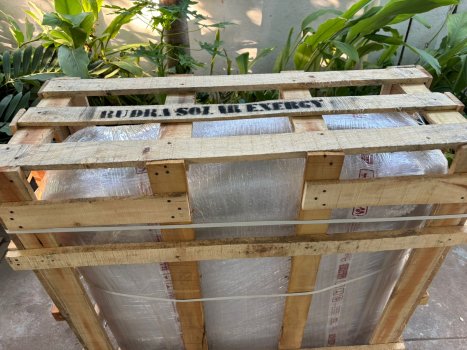
Andaman and Nicobar Islands require a different solar-drying strategy from mainland agricultural regions. The islands have a hot, humid tropical climate, dispersed production locations, significant plantation crops and an important marine-products economy. These conditions create strong potential for food value addition, but they also make moisture management technically demanding.
The Indian Council of Agricultural Research identifies coconut, arecanut and other plantation crops as important to the island agricultural system. It also records pineapple, pepper and other crops within plantation-based farming systems and highlights the need for improved copra-drying methods. ICAR’s Andaman and Nicobar profile
The Andaman and Nicobar Administration has selected coconut and coconut-based products for Nicobar district and fisheries or marine products for North and Middle Andaman and South Andaman under the One District One Product initiative. A&N Directorate of Industries
This makes solar drying relevant for suitable coconut, banana, spice, fruit and fish-processing applications. However, a solar dryer in Andaman and Nicobar Islands must be selected around the commodity, ambient humidity, airflow, hygiene requirements, tray area and required production schedule.

Why Island Humidity Changes the Drying Process
Moisture leaves a product only when the surrounding drying air can accept that moisture and carry it away. In a humid island environment, ambient air may already contain substantial moisture.
This can affect:
- Rate of moisture removal
- Drying-air performance
- Required processing duration
- Risk of moisture reabsorption
- Need for organised airflow
- Post-drying cooling and packaging
- Dependence on daily weather conditions
A high chamber temperature alone does not guarantee effective drying. If moisture-bearing air is not removed, the process may still progress slowly or unevenly.
Drying performance depends on the combined effect of:
Solar Heat + Airflow + Initial Moisture + Product Thickness + Tray Loading + Ambient Humidity + Required Final Moisture
This is why airflow design and humidity-aware operation are especially important in island food processing.
Coconut Drying and Value Addition
Coconut is one of the most important plantation crops in the islands. It may support several processing applications, but each coconut product requires a separate procedure.
Potential drying applications may include suitably prepared:
- Copra
- Coconut slices
- Coconut chips
- Desiccated-coconut raw material
- Coconut flakes
- Coconut powder raw material
- Selected coconut by-products
Copra drying requires appropriate kernel preparation, loading and endpoint assessment. Thick coconut pieces should not be expected to behave like thin slices because their moisture has a longer path to travel before leaving the material.
Important coconut-drying variables include:
- Maturity of the nut
- Initial moisture
- Kernel thickness
- Piece dimensions
- Loading depth
- Tray surface area
- Airflow
- Ambient humidity
- Required final moisture
- Intended downstream use
ICAR and KVK South Andaman have also conducted training on coconut value addition and Virgin Coconut Oil production for women and SHGs. However, a solar dryer does not automatically produce VCO. Some VCO methods use fresh or wet coconut material, while other processing routes may involve drying. The dryer is relevant only when the selected production method specifically requires moisture reduction. ICAR coconut value-addition training
Banana Processing in the Island Economy
Banana is another relevant value-addition crop for the Andaman and Nicobar coastal agro-ecosystem. ICAR organised a dedicated post-harvest management and banana value-addition programme for farmers from different islands in January 2026, demonstrating institutional interest in banana-based entrepreneurship. ICAR banana entrepreneurship programme
Depending on the intended product, banana preparation may include:
- Sorting
- Washing
- Peeling
- Slicing
- Piece-size standardisation
- Suitable pretreatment where required
- Draining before tray loading
Banana slices should be loaded without excessive overlapping. Differences in fruit maturity, slice thickness and initial moisture may cause different parts of a batch to progress at different rates.
Potential applications may include suitable:
- Dried banana slices
- Banana pieces
- Banana-flake raw material
- Banana-powder raw material
- Ingredients for appropriate snack or food products
Drying alone does not create a shelf-stable retail product. Final moisture, hygienic handling, packaging, storage and applicable food-safety requirements must also be addressed.
Solar Drying Applications for Island Spices
ICAR-CIARI describes spices as important crops in the Andaman and Nicobar Islands and conducted training on scientific cultivation and post-harvest management of major Bay Island spices in August 2026. ICAR-CIARI spice programme
Depending on local production and the intended product, solar drying may be evaluated for suitable:
- Black pepper
- Cinnamon
- Ginger
- Turmeric
- Chilli
- Selected tree spices
- Other appropriate spice materials
Spices should not use one common drying schedule.
Black pepper berries, cinnamon material, ginger slices and turmeric fingers differ in:
- Initial moisture
- Density
- Physical structure
- Preparation
- Loading behaviour
- Temperature sensitivity
- Required final condition
Ginger and turmeric may require cleaning, slicing, curing or another commodity-specific preparation before drying. Black pepper processing can involve separate harvesting and preparation steps. Cinnamon bark and related materials also require their own post-harvest procedure.
The objective should be controlled moisture reduction without unnecessary exposure to excessive temperature.
Can Fish and Seafood Be Solar Dried?
Suitable fish and seafood can be solar dried when drying is part of a properly designed preservation and processing procedure.
This application requires more rigorous hygiene and temperature control than many plant products.
Fish is highly perishable. Drying should begin only with suitable raw material that has been hygienically handled and maintained under appropriate temperature conditions before processing. Solar drying cannot make spoiled or deteriorated fish acceptable.
Preparation may include:
- Species selection
- Freshness assessment
- Washing using suitable water
- Descaling where required
- Gutting
- Cleaning
- Filleting or splitting
- Piece-size standardisation
- Salting or another validated preparation where applicable
- Hygienic tray loading
Important fish-drying variables include:
- Fish species
- Freshness
- Size and thickness
- Whole, split or filleted form
- Fat content
- Salt level where used
- Initial moisture
- Airflow
- Drying-air temperature
- Ambient humidity
- Required final moisture or water activity
- Intended packaging and storage
Fish processing should follow applicable food-safety, hygiene and regulatory requirements. Moisture reduction alone should not be treated as proof of microbial safety.
Why Enclosed Drying Is Important for Fish
Open outdoor fish drying may expose the material to dust, insects, birds, animals, uncontrolled handling and sudden weather changes.
An enclosed solar dryer provides a defined chamber where prepared fish can be arranged on suitable trays with organised airflow. This can reduce direct environmental exposure and make batch handling more systematic.
An enclosed system does not make the product sterile. It must still be supported by:
- Hygienic preparation
- Clean food-contact surfaces
- Suitable water
- Personnel hygiene
- Temperature management before loading
- Batch identification
- Final-moisture assessment
- Appropriate packaging
- Pest-controlled storage
Fish trays should preferably remain dedicated to seafood processing or undergo validated cleaning before another commodity is loaded. This helps manage odour, allergen and cross-contact concerns.
Can One Dryer Handle Coconut, Banana, Spices and Fish?
A suitably configured dryer may handle different compatible commodities in separate batches. However, a system used for fish should not automatically be switched to fruit, spices or coconut without an appropriate cleaning and product-separation plan.
Multi-commodity processing requires decisions about:
- Dedicated trays
- Batch sequence
- Cleaning procedure
- Allergen control
- Aroma transfer
- Food-contact surfaces
- Temperature setting
- Airflow
- Final moisture
- Packaging
- Batch records
Where seafood and plant products are both important, separate drying systems or clearly segregated trays and workflows may be more appropriate.
Why Tray Area Matters More Than Kilograms Alone
Fresh weight does not fully describe dryer capacity.
For example:
- 50 kg coconut pieces
- 50 kg banana slices
- 50 kg black pepper
- 50 kg cleaned fish
will not occupy the same tray area or require the same loading depth.
Capacity should be evaluated using:
Fresh Batch Weight + Material Volume + Usable Tray Area + Loading Depth + Required Daily Throughput
A buyer should not assume that every commodity can be processed at the dryer’s maximum stated kilogram rating.
Is There a Standard Drying Temperature?
No single temperature is suitable for coconut, banana, spices and fish.
The appropriate operating range depends on:
- Commodity
- Product dimensions
- Initial moisture
- Heat sensitivity
- Airflow
- Ambient conditions
- Required final moisture
- Intended use
A temperature suitable for prepared fish may not be appropriate for banana slices or aroma-sensitive spices.
The operating procedure should be developed for the specific product rather than using the highest possible chamber temperature.
How Long Does Solar Drying Take in the Islands?
There is no universal drying time.
Processing duration can change with:
- Commodity
- Initial moisture
- Target moisture
- Piece thickness
- Loading depth
- Available solar radiation
- Ambient temperature
- Relative humidity
- Airflow
- Dryer design
- Daily weather conditions
Two batches of the same product can also behave differently when their preparation, incoming moisture or weather changes.
The drying endpoint should be determined using the required final condition rather than only a predetermined number of hours.
Is Hybrid Solar Drying Useful in Andaman and Nicobar?
Hybrid support can be useful where a processor needs additional energy during cloudy, rainy or high-humidity periods, or requires a more predictable production schedule.
Its suitability depends on:
- Commodity
- Processing season
- Daily batch requirement
- Solar availability
- Ambient humidity
- Required turnaround
- Available backup-energy source
- Operating cost
Hybrid drying is not compulsory for every user. It should be selected when the processing requirement justifies additional energy support.
For highly perishable materials such as fish, the production schedule and food-safety plan may make continuity particularly important.
Island Logistics and Post-Harvest Value Addition
Movement between islands and the mainland depends substantially on shipping and other transport arrangements. Lowering product moisture can reduce weight and volume for some commodities, but drying does not automatically solve every logistics problem.
Processors still need to plan:
- Raw-material collection
- Processing location
- Packaging
- Inter-island transport
- Mainland dispatch
- Storage conditions
- Product labelling
- Regulatory documentation
- Protection from humidity during transit
Products intended for distant markets may require stronger moisture-barrier packaging and more detailed shelf-life validation than products sold quickly within the local market.
Who Can Use Solar Drying Systems in the Islands?
Solar drying may be relevant for:
- Coconut growers
- Spice growers
- Banana farmers
- Fishers and fish processors
- FPOs and FPCs
- Self-Help Groups
- Women-led enterprises
- Cooperatives
- Food-processing MSMEs
- Tourism-linked food businesses
- Agricultural institutions
- Fisheries institutions
- Skill-development projects
- Rural and island entrepreneurs
ICAR-CIARI has specifically encouraged collective processing and marketing through FPOs and SHGs and has highlighted the potential of coconut, cinnamon, banana, jackfruit and tuna-based products. ICAR-CIARI FPO and SHG programme
How to Select a Solar Dryer for Island Conditions
Before selecting a system, buyers should provide:
- Commodity name
- Processing location or island
- Fresh batch weight
- Whole or prepared form
- Approximate product dimensions
- Material volume
- Number of batches required
- Operating season
- Required final product
- Local power availability
- Solar-only or hybrid preference
The technical evaluation should include:
- Usable tray area
- Airflow capacity
- Chamber construction
- Food-contact materials
- Corrosion considerations
- Cleaning access
- Temperature monitoring
- Weather protection
- Transportation to the island
- Installation requirements
- Availability of service and replacement components
Coastal air, humidity and salt exposure should be considered when selecting materials and planning maintenance.
What Determines Solar Dryer Price in Andaman and Nicobar?
System cost can vary according to:
- Batch capacity
- Usable tray area
- Tray material
- Chamber size
- Airflow arrangement
- Solar-only or hybrid configuration
- Monitoring and controls
- Corrosion-resistant requirements
- Packing and transportation
- Inter-island movement
- Installation
- Site preparation
- Training
- After-sales support
A quotation should be evaluated together with the actual application, tray area and installation scope. The lowest initial price may not represent the most appropriate system for humid coastal conditions.
Post-Drying Cooling, Packaging and Storage
Dried products may absorb moisture again when exposed to humid island air.
After drying, suitable products may require:
- Controlled cooling
- Final-moisture assessment
- Sorting
- Grading
- Moisture-barrier packaging
- Batch coding
- Dry storage
- Protection from pests
- Protection from re-wetting
- Cold storage where the specific product still requires it
Packaging should be selected according to the commodity, storage period, transport route and intended market.
Rudra Solar Drying Solutions for Island Applications
Rudra Solar Energy manufactures solar drying systems for suitable agricultural and food-processing applications. Different capacities and configurations can be evaluated for coconut, banana, spices, fruits, vegetables and appropriately prepared fish or seafood.
Solar-only and hybrid options may be considered according to local weather, commodity sensitivity and required production continuity.
For a technically relevant recommendation, buyers should share the commodity, fresh batch size, preparation method, island location, expected daily throughput and intended final product.
Conclusion
A solar dryer in Andaman and Nicobar Islands can support organised moisture reduction and value addition for coconut, banana, spices, fish and other suitable island produce.
The main challenge is not simply generating heat. Effective island drying requires the correct interaction of airflow, tray area, product preparation, ambient humidity, final-moisture control and packaging.
Coconut, banana, spices and fish should never be treated as one common drying material. Each requires its own preparation, operating conditions, hygiene controls and post-drying procedure.
When selected using actual processing data, an enclosed solar drying system can become a useful part of island-based food processing for farmers, fishers, SHGs, FPOs and local enterprises.
Search
Recent Posts
- Solar Dryer in Dadra & Nagar Haveli and Daman & Diu for Food, Fruits, Vegetables & Seafood
- Solar Dryer in Lakshadweep for Coconut, Fish, Seafood & Island Food Processing
- Solar Dryer in Chandigarh for Food Processing, Fruits, Vegetables, Herbs & Spices
- Solar Dryer in Delhi for Food Processing, Fruits, Vegetables, Herbs & Spices
- Solar Dryer in Ladakh for Apricot, Apple, Seabuckthorn & High-Altitude Food Processing


Leave a Comment